Sea Cargo: A Complete Guide to Cost-Effective and Reliable Shipping
Sea cargo plays a vital role in global trade, offering a dependable and economical way to transport goods across international waters. While it may not match the speed of air transport, it remains the backbone of large-scale logistics due to its capacity and affordability. From bulk commodities to household items and commercial shipments, this method is widely used by businesses and individuals worldwide.
This guide provides a clear and detailed overview of how sea cargo works, its benefits, costs, and practical tips—written in a natural, human tone with balanced keyword usage.
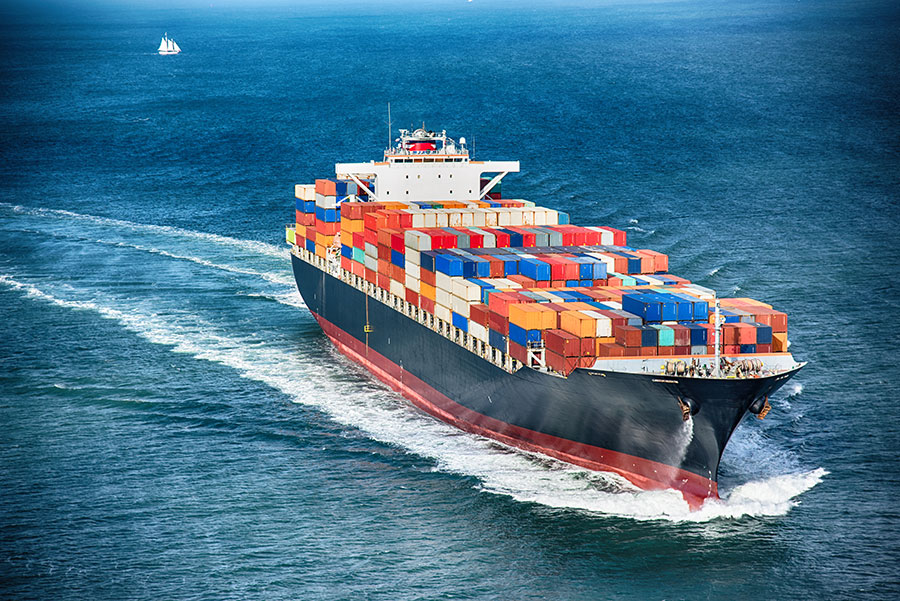
What Is Sea Cargo?
Sea cargo refers to the transportation of goods via ships across oceans and seas. It is commonly used for international shipping, especially when moving large volumes or heavy items.
Cargo is typically loaded into containers, which are standardized metal boxes designed for easy handling and transfer between ships, trucks, and trains. This system ensures efficiency and safety throughout the journey.
How the Process Works
Shipping goods by sea involves several coordinated steps:
Booking and Planning
The process begins with booking space through a shipping company or freight forwarder. Details such as cargo type, size, and destination are confirmed.
Packing and Containerization
Goods are packed securely and loaded into containers. Depending on the shipment size, you may choose a full container or share space with others.
Port Handling
The container is transported to the port, where it undergoes inspection and is prepared for loading onto a vessel.
Ocean Transport
The ship carries the cargo to the destination port. Transit time depends on distance and shipping routes.
Customs Clearance
Upon arrival, the shipment must clear customs before it can be released.
Final Delivery
After clearance, goods are transported to their final destination by truck or rail.
Types of Sea Cargo Services
Different shipping options are available depending on your needs:
Full Container Load (FCL)
A full container is used exclusively for one shipment. This option is ideal for large volumes.
Less than Container Load (LCL)
Multiple shipments share one container, making it cost-effective for smaller loads.
Roll-on/Roll-off (RoRo)
Used for vehicles and machinery that can be driven on and off the ship.
Break Bulk Cargo
For oversized items that cannot fit into standard containers.
Liquid Bulk
Used for transporting liquids such as oil or chemicals.
Key Benefits
Cost-Effective
One of the biggest advantages is affordability, especially for large shipments.
High Capacity
Ships can carry massive volumes, making them ideal for bulk goods.
Versatility
Suitable for a wide range of items, including heavy and oversized cargo.
Environmentally Friendly
Compared to air transport, shipping by sea has a lower carbon footprint.
Global Connectivity
Ports around the world are connected through extensive shipping routes.
Limitations to Consider
Despite its benefits, there are some drawbacks:
- Longer delivery times
- Potential delays due to weather or port congestion
- More complex handling processes
- Higher risk of damage if not properly packed
Understanding these limitations helps in planning shipments effectively.
Sea Cargo vs Air Cargo
Choosing between sea and air transport depends on your priorities:
- Sea transport is ideal for large, non-urgent shipments
- Air transport is better for time-sensitive deliveries
Many businesses use a combination of both to balance cost and speed.
Cost Factors
Shipping costs depend on several variables:
- Container size and type
- Shipment volume and weight
- Distance and route
- Port charges and handling fees
- Customs duties and taxes
Planning ahead and consolidating shipments can help reduce overall costs.
Industries That Rely on Sea Cargo
This shipping method supports various industries:
- Manufacturing: Raw materials and machinery
- Retail: Bulk inventory shipments
- Construction: Heavy equipment and materials
- Agriculture: Grain, livestock feed, and produce
- Energy sector: Oil, gas, and related products
Packaging Tips for Sea Shipping
Proper packaging is crucial due to longer transit times:
- Use moisture-resistant materials
- Secure items to prevent movement
- Reinforce boxes and crates
- Label clearly for handling instructions
Good packaging minimizes damage during long journeys.
Safety and Regulations
International maritime laws ensure safe transport of goods. Compliance is essential to avoid delays or penalties.
Key requirements include:
- Accurate documentation
- Proper labeling of hazardous materials
- Adherence to shipping standards
- Inspection and clearance procedures
Door-to-Door Shipping
Many logistics providers offer end-to-end services, including:
- Pickup from origin
- Ocean transport
- Customs clearance
- Final delivery
This option simplifies the entire process for customers.
Role of Technology
Modern shipping has improved significantly with technology:
- Real-time tracking systems
- Automated port operations
- Digital documentation
- Route optimization tools
These advancements enhance efficiency and transparency.
Choosing the Right Shipping Partner
Selecting a reliable provider is essential for smooth delivery:
- Check experience and reputation
- Compare pricing and services
- Ensure proper licensing
- Look for tracking options
- Evaluate customer support
A trustworthy partner reduces risks and ensures timely delivery.
Future Trends
The industry continues to evolve with new developments:
- Eco-friendly shipping solutions
- Smart ports and automation
- Increased demand from e-commerce
- Improved supply chain visibility
These trends are shaping the future of global logistics.
Common Challenges
Some challenges faced in this sector include:
- Port congestion
- Rising fuel costs
- Regulatory complexities
- Weather-related disruptions
Addressing these issues is key to improving efficiency.
Conclusion
Sea cargo remains one of the most practical and cost-effective ways to transport goods internationally. Its ability to handle large volumes at lower costs makes it indispensable for global trade. While it requires more time compared to air transport, it offers excellent value for non-urgent shipments.
By understanding the process, benefits, and challenges, you can make informed decisions and ensure a smooth shipping experience.
FAQs
1. What is sea cargo used for?
It is mainly used for transporting large and heavy goods across international waters.
2. How long does shipping take?
Transit time can range from a few days to several weeks depending on distance.
3. Is it cheaper than air shipping?
Yes, it is generally more affordable, especially for bulk shipments.
4. What is FCL and LCL?
FCL uses a full container for one shipment, while LCL shares space with others.
5. Can I send personal items?
Yes, household goods and personal belongings can be shipped.
6. Is it safe?
Yes, with proper packaging and handling, it is a secure method.
7. What documents are required?
Common documents include a bill of lading, invoice, and packing list.
8. Can I track my shipment?
Most shipping companies provide tracking services.
9. What items are restricted?
Hazardous materials and prohibited goods may require special approval.
10. Is insurance necessary?
It is recommended for valuable or fragile items.