Air Cargo: A Complete Guide to Fast and Reliable Shipping
In today’s fast-paced global economy, businesses and individuals rely heavily on efficient logistics solutions to move goods quickly and safely. Among the many shipping options available, air transport stands out as the fastest and most reliable method for long-distance delivery. Whether you are sending commercial goods, personal belongings, or urgent documents, understanding how this shipping method works can help you make better decisions.
This guide covers everything from how the system operates to its advantages, costs, and practical tips—without overloading repetitive keywords.
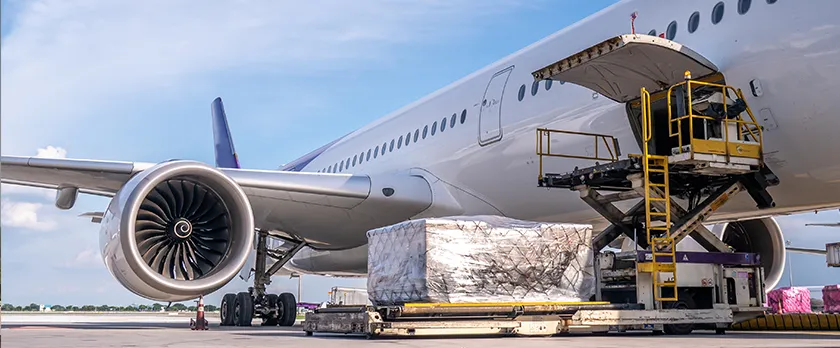
What Is Air Cargo?
Air cargo simply refers to goods transported by aircraft. These shipments can travel on dedicated cargo planes or in the cargo hold of passenger flights. It is widely used for international deliveries where speed is a priority.
From electronics and clothing to pharmaceuticals and perishable foods, a wide variety of items are transported through this method every day. Its ability to connect countries within hours makes it an essential part of global trade Air Cargo.
How the Process Works
Shipping goods by air involves several well-coordinated steps:
Booking and Documentation
The process begins with reserving space through a logistics provider or airline. Documents such as invoices, packing lists, and airway bills are prepared to ensure compliance with regulations.
Packaging
Items must be securely packed to withstand handling and movement during transit. Proper labeling also plays a key role in avoiding delays.
Security Checks
All shipments go through strict screening procedures before being cleared for transport.
Transportation
Goods are loaded onto aircraft and flown to the destination airport.
Customs Clearance
Upon arrival, shipments must pass through customs before they can be released.
Final Delivery
Once cleared, items are delivered to the recipient, often through door-to-door service.
Types of Shipments
Different categories exist to handle various needs:
- General goods: Everyday items like clothes and electronics
- Express deliveries: Urgent shipments requiring the fastest transit
- Perishables: Food and medical supplies needing temperature control
- Hazardous materials: Items requiring special handling and compliance
- Oversized freight: Heavy machinery or large equipment
Each category has specific handling procedures to ensure safety and efficiency.
Key Benefits
Speed
This is the fastest way to transport goods internationally, often delivering within days.
Reliability
Flight schedules are generally consistent, reducing uncertainty.
Global Reach
Even remote locations can be accessed through extensive airline networks Air Cargo.
Security
Airports follow strict safety protocols, minimizing risks.
Lower Storage Needs
Faster transit reduces the need for warehousing.
Limitations to Consider
Despite its advantages, there are a few drawbacks:
- Higher costs compared to sea or land transport
- Restrictions on size and weight
- Possible delays due to weather
- Environmental concerns related to emissions
Understanding these factors helps in choosing the right shipping method.
Comparison with Sea Freight
When deciding between air and sea transport, the choice usually comes down to time and cost.
- Air is ideal for urgent or high-value shipments
- Sea is better for large volumes and budget-friendly transport
Businesses often use a combination of both depending on their needs.
Cost Factors
Shipping costs are influenced by several elements:
- Weight and volume of goods
- Distance between origin and destination
- Nature of the shipment
- Fuel prices
- Delivery speed
Planning ahead and consolidating shipments can help reduce expenses.
Industries That Depend on It
Many sectors rely on fast logistics solutions:
- E-commerce: Quick delivery keeps customers satisfied
- Healthcare: Medicines and vaccines require timely transport
- Automotive: Spare parts must arrive quickly to avoid delays
- Fashion: Seasonal products need rapid distribution
- Technology: High-value electronics benefit from secure handling Air Cargo
Packaging Best Practices
Proper packaging ensures safe delivery:
- Use strong boxes and cushioning materials
- Seal packages securely
- Label clearly with handling instructions
- Avoid overloading boxes
Good preparation reduces the risk of damage.
Safety and Regulations
Strict international rules govern the transportation of goods by air. These regulations ensure safety for both cargo and passengers.
Key requirements include:
- Proper documentation
- Compliance with hazardous material guidelines
- Security inspections
- Temperature control for sensitive items
Failure to meet these standards can result in delays or penalties.
Door-to-Door Convenience
Many logistics providers offer complete solutions that handle everything from pickup to final delivery. This service simplifies the process and saves time, especially for individuals unfamiliar with shipping procedures Air Cargo.
Role of Technology
Modern advancements have significantly improved efficiency:
- Real-time tracking provides transparency
- Automated systems speed up handling
- Digital documentation reduces paperwork
- Data analytics helps optimize routes
These innovations continue to enhance reliability and customer experience.
Choosing the Right Service Provider
Selecting a dependable logistics partner is essential. Consider the following:
- Reputation and experience
- Pricing structure
- Customer support
- Tracking capabilities
- Range of services
A reliable provider ensures smooth and hassle-free delivery.
Future Trends
The industry is evolving rapidly with new developments such as:
- Sustainable fuel alternatives
- Drone-based deliveries
- Expansion driven by online shopping
- Greater supply chain visibility
These trends are shaping a more efficient and environmentally conscious future.
Common Challenges
Some ongoing challenges include:
- Rising operational costs
- Limited cargo space during peak seasons
- Complex regulations
- Environmental impact concerns
Addressing these issues is key to long-term growth.
Conclusion
Air cargo remains one of the most effective ways to move goods quickly across the globe. Its speed, reliability, and global reach make it an essential part of modern logistics. While it may not always be the cheapest option, it provides unmatched value for time-sensitive shipments.
By understanding how the process works and what factors to consider, you can make smarter shipping decisions that save both time and effort.
FAQs
1. What is air cargo mainly used for?
It is commonly used for urgent, high-value, or perishable shipments that require fast delivery.
2. How long does delivery take?
Transit times typically range from 1 to 5 days depending on the destination.
3. Is it safe to ship valuable items?
Yes, strict security measures make it one of the safest transport methods.
4. Why is it more expensive than sea shipping?
Higher fuel costs, faster delivery, and limited space contribute to increased pricing.
5. Can I send personal items internationally?
Yes, personal belongings can be shipped, provided they meet customs regulations.
6. What documents are required?
Common documents include an airway bill, invoice, and packing list.
7. Are there size limits?
Yes, aircraft have restrictions on weight and dimensions.
8. Can shipments be tracked?
Most providers offer real-time tracking services.
9. What items are restricted?
Certain hazardous materials and prohibited goods may not be allowed.
10. Is insurance necessary?
It is recommended for valuable or fragile items.